WAT Method
Our Approach: Walk First. Answers Follow.
WAT is built on a simple fact: walking changes how we think, feel, and connect. But not all walks are the same. The WAT method combines movement, environment, attention, and human connection to create a different kind of experience.

WAT is a 3-month program that includes 2 WAT group sessions per week and practical guidance to reach a minimum of 7,000 steps done in individual sessions on the other days (that’s about 45mn of walking). Each group WAT session (lasting 1h30) follows a clear and reassuring structure based on a theme. Discover all the details here.

Origin
To build our method, we took a step back. All the way back to the basics — to the two gestures that have shaped our humanity from the very beginning: walking and talking. We chose to return to the source, because somewhere along the way, we forgot something essential. We walk without presence. We talk a lot, but rarely do we truly listen.
Behind this intuition lies a blend of disciplines: contemporary psychology (reflection prdocesses, attention, emotional regulation), neuroscience (the body–brain connection and embodied cognition), walking as a philosophical and anthropological practice, and the dynamics of peer and group dialogue.
How mindful walking works for you by Dr. Tracey Marks, Psychiatrist
To pick another language for the video, click here
The benefits of walking for mental wellbeing by Dr. Christophe André, Psychiatrist
To pick another language for the video, click here

1. Walking is the Core
At the core of WAT is walking. When practiced regularly and with presence, walking reduces stress and anxiety ; improves mood and emotional balance ; supports mental clarity and creativity ; helps regulate the nervous system.
It is one of the most accessible ways to support mental wellbeing.

2. The Right Setting
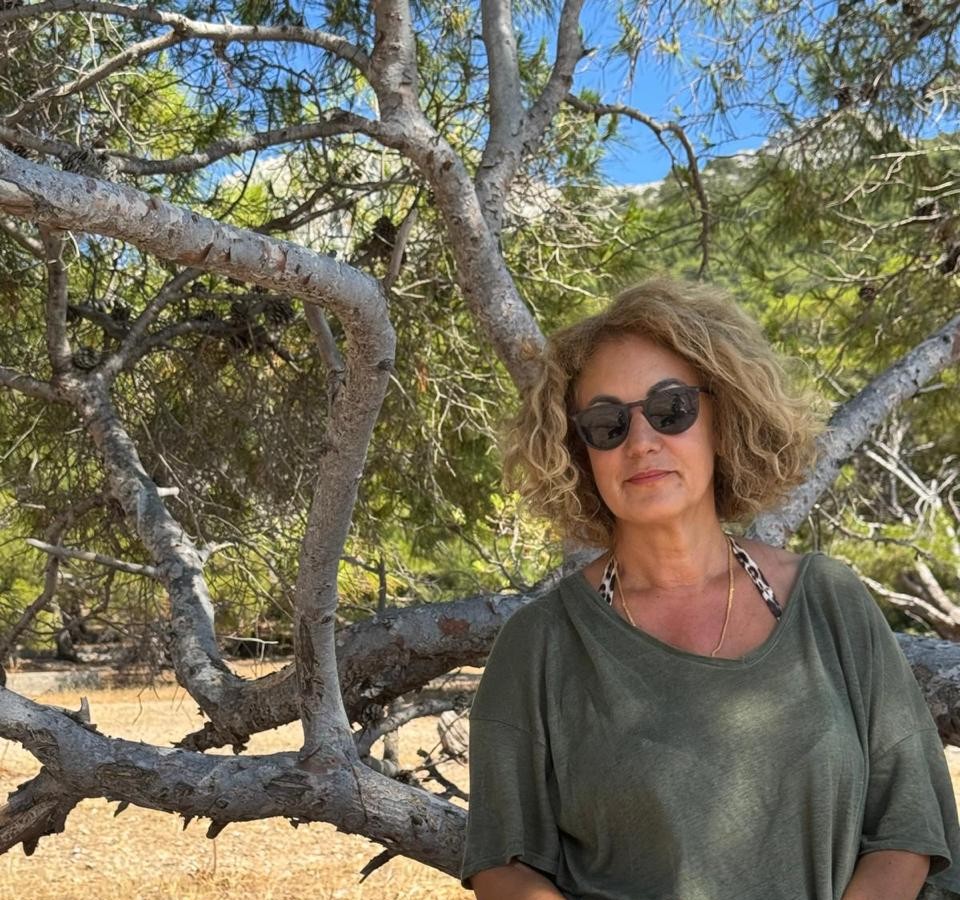
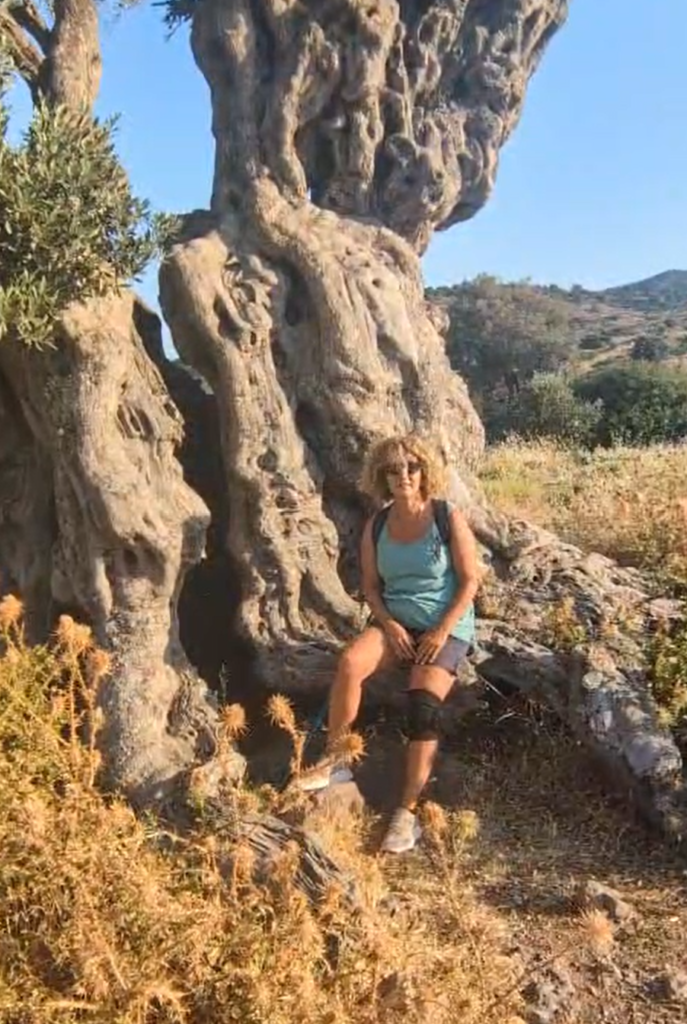
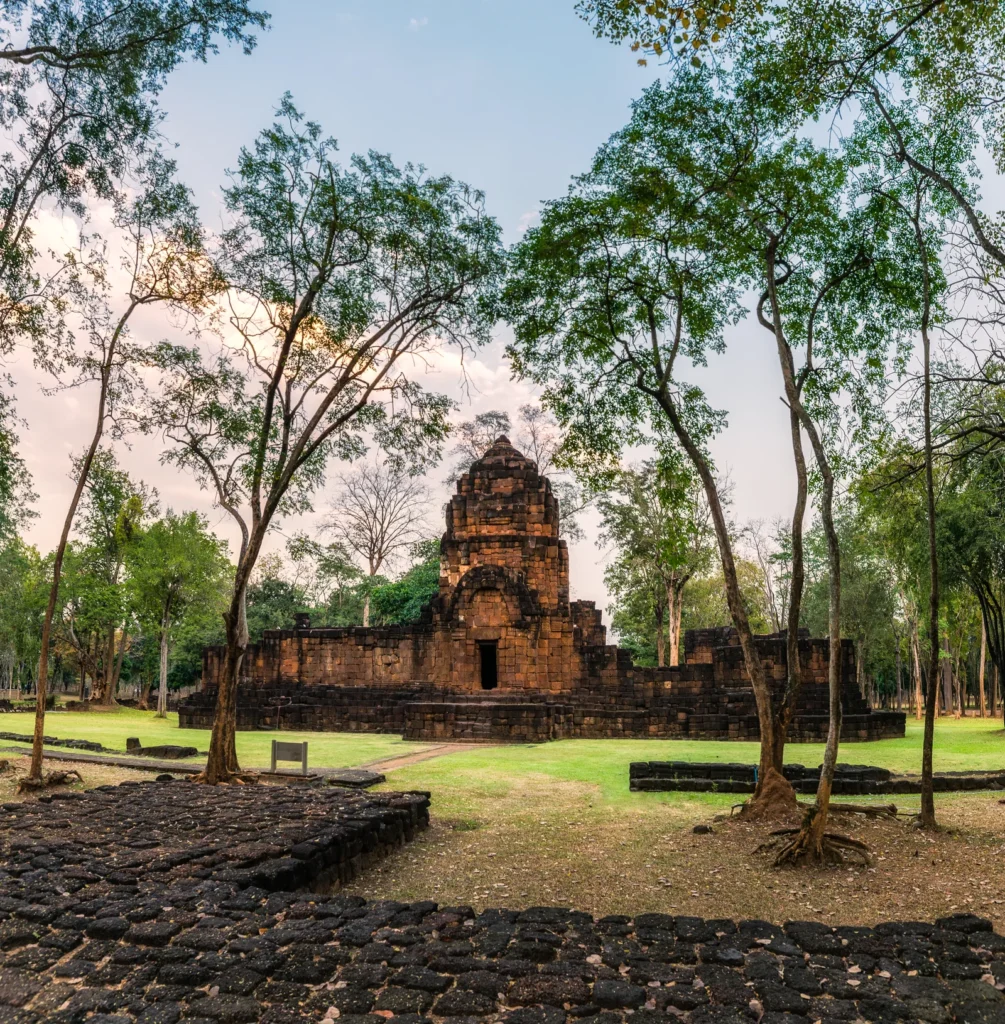
Nature — When possible. WAT experiences are ideally held in natural environments. Why? Because nature helps us calm the mind, reduce rumination, reconnect with our senses, gain perspective.
Walking can and should also take place in cities. However, urban environments may introduce noise, distractions and constant stimulation. These can maintain mental agitation and limit the ability to slow down. When walking in urban settings, extra care is given to choosing quieter routes and creating moments of pause.
Groups — A shared experience: Walking alone is essential. You should do it as often as possible. But walking in a group adds something different. It brings energy, structure, social connection and a sense of belonging. Like meditation or yoga, you can practice alone but practicing together deepens the experience.
3. The Right Vibe
The WAT method is not only about where you walk, but how you walk.

Silence — Letting the mind settle
WAT walks begin with silence. This helps release mental noise, reconnect with the body, tune into the environment and arrive fully in the moment. Silence is not empty. It is a space where things begin to emerge.

Mindset — Presence in motion
Guided moments of attention or light meditation are part of the method. These help participants focus on the present moment, observe thoughts without being carried away and reconnect with sensations (breath, steps, surroundings).

Words — Speaking with intention
Conversation is part of the experience: groups rarely can remain silent for long anyway. But not all conversations support presence. Left unchecked, we tend to fall into small talk, automatic patterns and mental distraction.

How a WAT Experience Works
1. Welcome & Grounding (10mn)
An introduction by the guide to set the tone, explain the flow and the theme of the day, invite participants to slow down.
2. Guided meditation (10mn)
The guide shares words related to the theme of the day. A time to connect with the environment, the body, the feelings.
3. Individual Reflection (20mn)
A moment where participants walk alone and in silence, observe surroundings, thoughts, feelings and sensations, reconnect internally.
4. Guided Walk (20mn)
The guide introduces prompts aligned with the theme of the day. Each participant is invited to continue walking with these prompts in mind, exploring them further.
5. Conversations (in pairs) (20mn)
Participants walk side by side, talking about what triggers the theme of the day for them.
6. Collective Sharing & Closing (10mn)
Those who wish can share a sensation or insight. No obligation: Just a moment to close the experience together with the facilitation of the guide.
Guides & app
- Every walk is led by a trained facilitator, certified in the WAT approach.
- The journey is also supported by a dedicated mobile app. It tracks activities (distance, rhythm), gathers participants’ mood state, and provides additional resources such as podcasts, guided practices…
The path is simple. What changes is how you walk it.

WAT is where walking becomes better thinking. Why wait?
Join the movement!
Get stories, walks, and insights from the WAT community delivered to your inbox.