WAT For Vulnerable Groups
Accessible practices to restore mental clarity, dignity, and wellbeing.
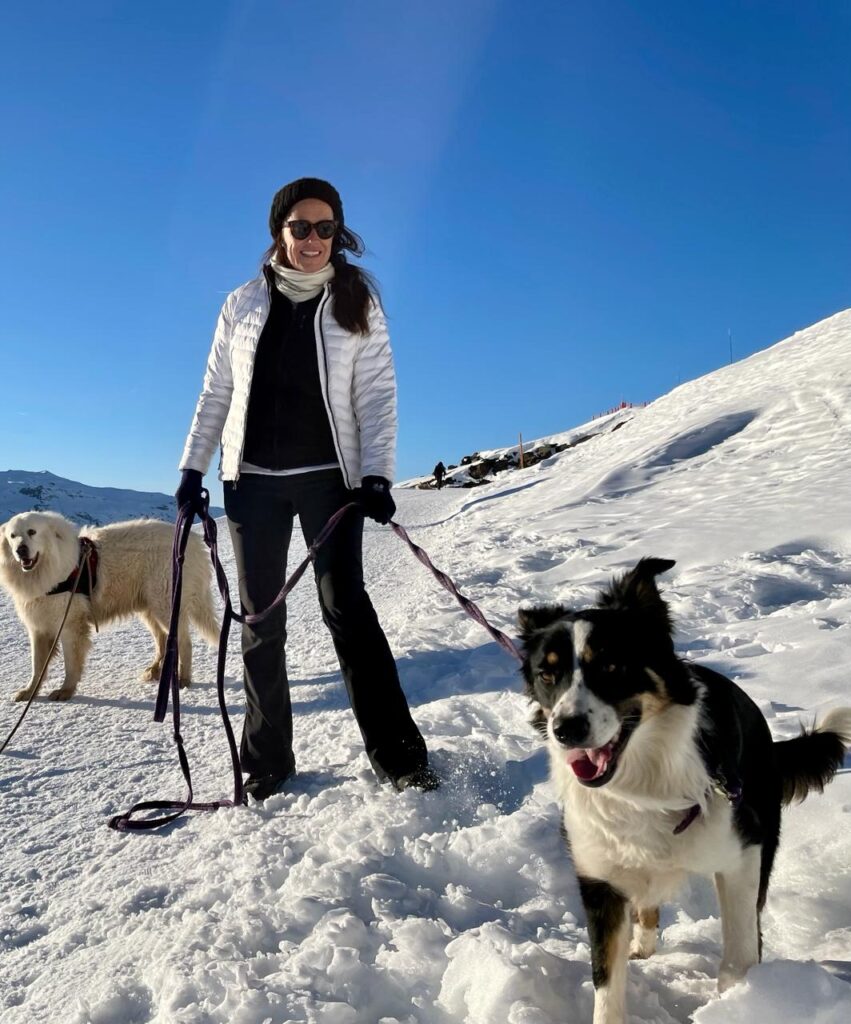
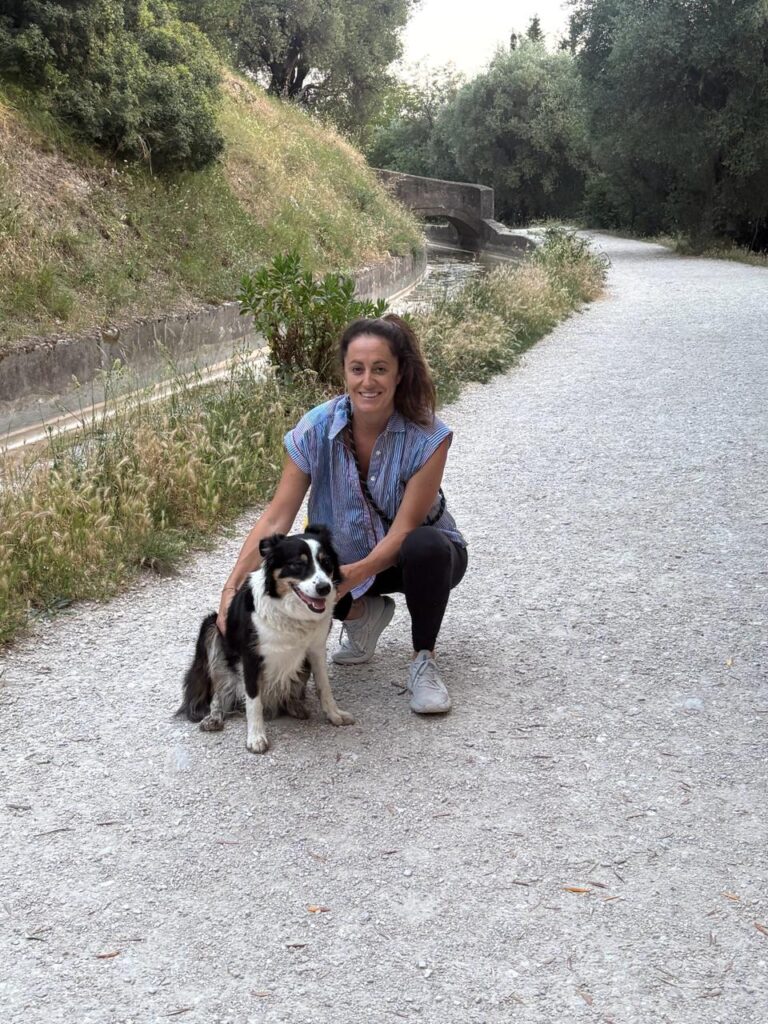
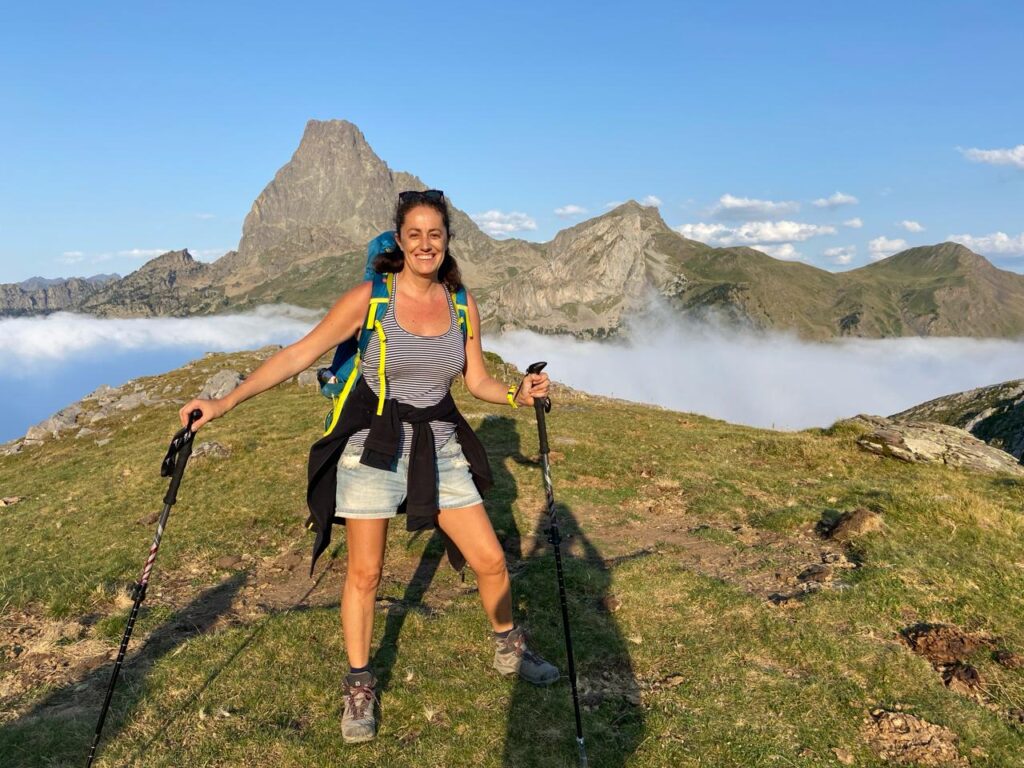
In many situations of vulnerability, illness, isolation, or exclusion, what people often need is not a complex intervention. They need activity, peaceful environment, presence, listening, and human connection. WAT offers such an approach: walk together in nature, talk when ready, reconnect progressively.

Across the world, a growing number of organizations are using walking/moderate physical activity and nature exposure and as tools for mental wellbeing, resilience and social connection. Examples include nature-based therapy programs for veterans (Denmark), hiking expeditions for veterans (USA and Canada), adventure therapy initiatives supporting vulnerable young people in Australia, New Zealand and Europe, narrative walking approaches used with refugees and trauma survivors in the Netherlands, and group walking programs combining mindfulness, psychoeducation and peer support for women affected by violence in the USA and Sweden.
These initiatives have reported benefits such as reduced depression symptoms, improved sleep, lower stress and rumination, stronger social bonds, and a renewed sense of purpose and self-confidence. WAT is inspired by this growing international movement that reconnects people through walking, conversation, nature and community.
A Gentle, Accessible Approach
Walking is the easiest way to restore a more active lifestyle, which is a first step to address the lack of energy and exercise of vulnerable groups. Walking in itself has a very strong impact on mental health.
Additionally, walking side by side creates a different kind of space. Less pressure than face-to-face conversations, more natural rhythm and more freedom to speak — or remain silent.
This makes WAT particularly adapted for people who feel isolated or disconnected, find traditional settings difficult, or need time to rebuild trust.

Why It Works
WAT builds on simple but powerful mechanisms.
Regulation Through Movement
Walking helps reduce stress, calm the nervous system, support emotional balance.
Environmental Support
Being outdoors reduces cognitive fatigue, improves mood and creates a sense of space and perspective.
Relational Safety
Joining a group is a good contribution to resocialization for people who may often be isolated. Side-by-side walking reduces confrontation, lowers social barriers, makes conversation feel safer.
Click the below links for full details:

Who is this for?
We collaborate with NGOs, social workers, healthcare professionals, community organizations. In other words, institution addressing issues such as illness, rehabilitation, isolation, exclusion. WAT does not replace existing practices. It complements them.
All programs for vulnerable audiences are implemented after thorough discussions with the relevant decision makers to fully understand the situation, identify the risks, define the success factors and deliver impact. WAT programs are low-cost, easy to organize, adaptable to local realities. They can be integrated into social & humanitarian programs, healthcare support initiatives, community outreach activities.
Healthcare providers
NGOs & humanitarian orgs
Social workers
Community initiatives










Interested in Exploring This Approach?
Tell us about your context — we’ll explore how WAT can fit.
What Participants Say
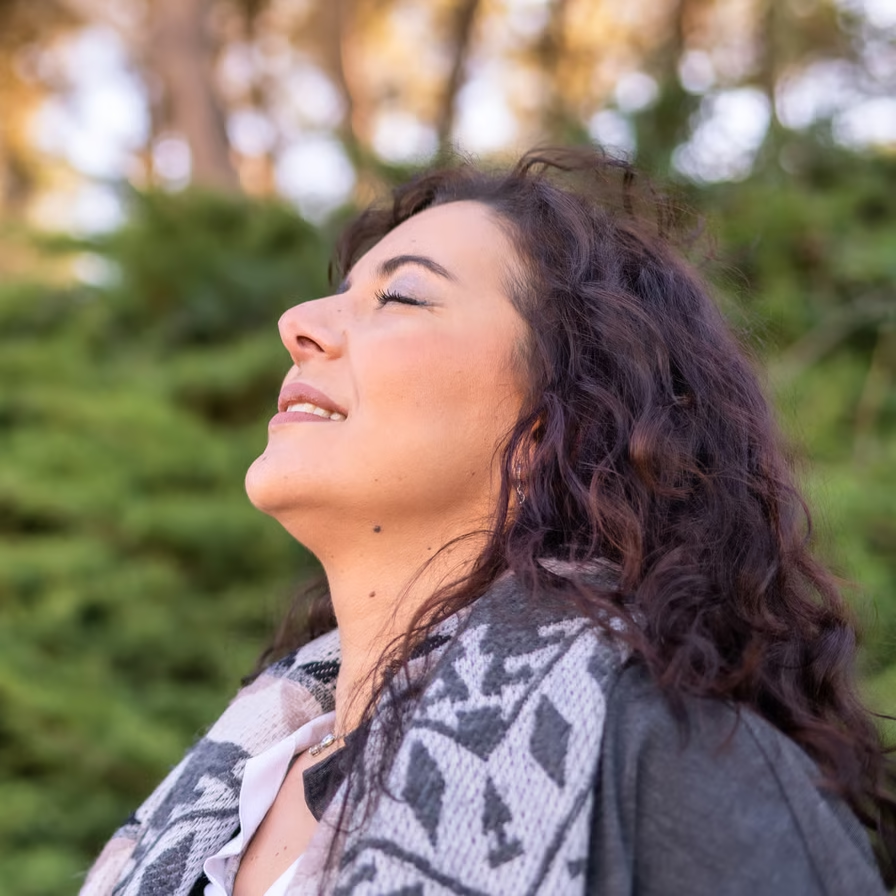
“The walks brought moments of calm in the middle of chaos.”
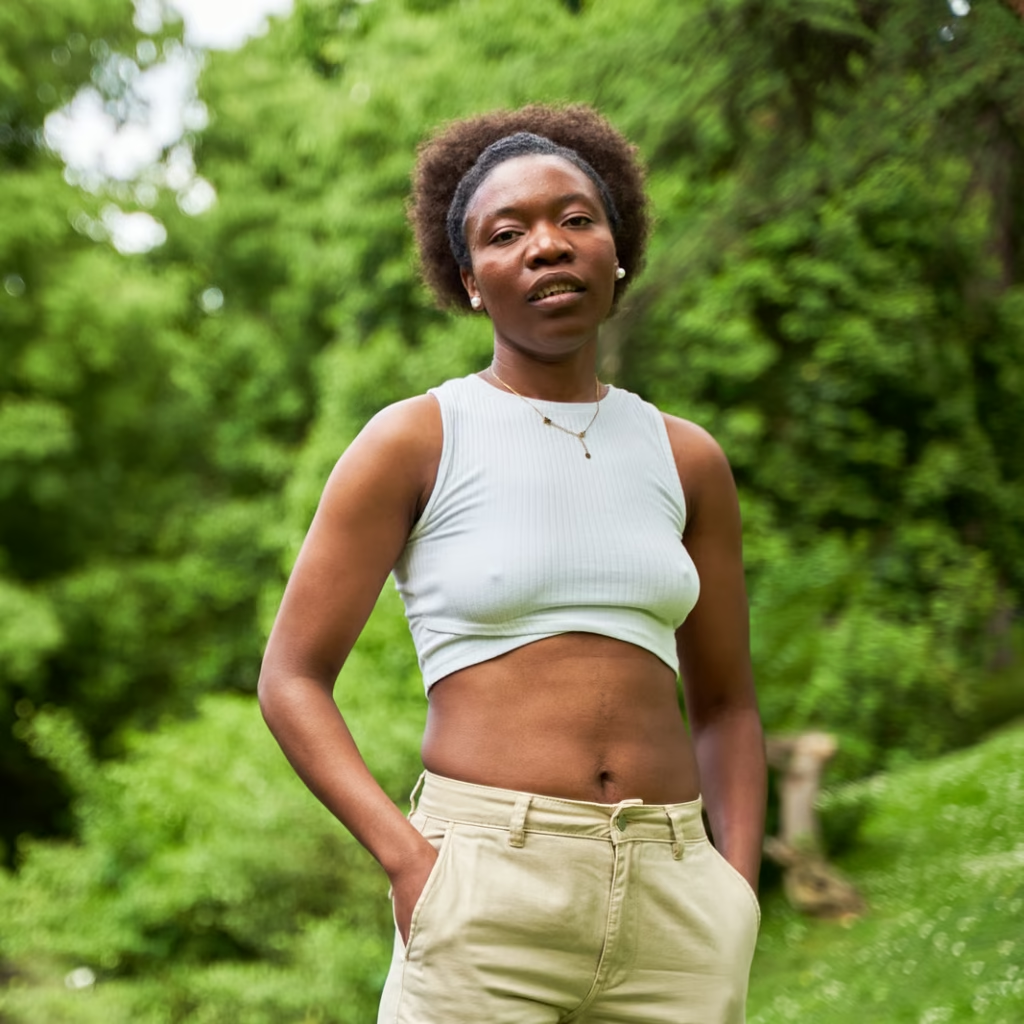
“Even in difficult conditions, the programme created dignity, connection and hope.”
“It reminded me that I am still a person, not only a patient.”
Questions
You might be wondering…
WAT is where walking becomes better thinking. Why wait?
Join the movement!
Get stories, walks, and insights from the WAT community delivered to your inbox.