
WAT Method
Start solo right away
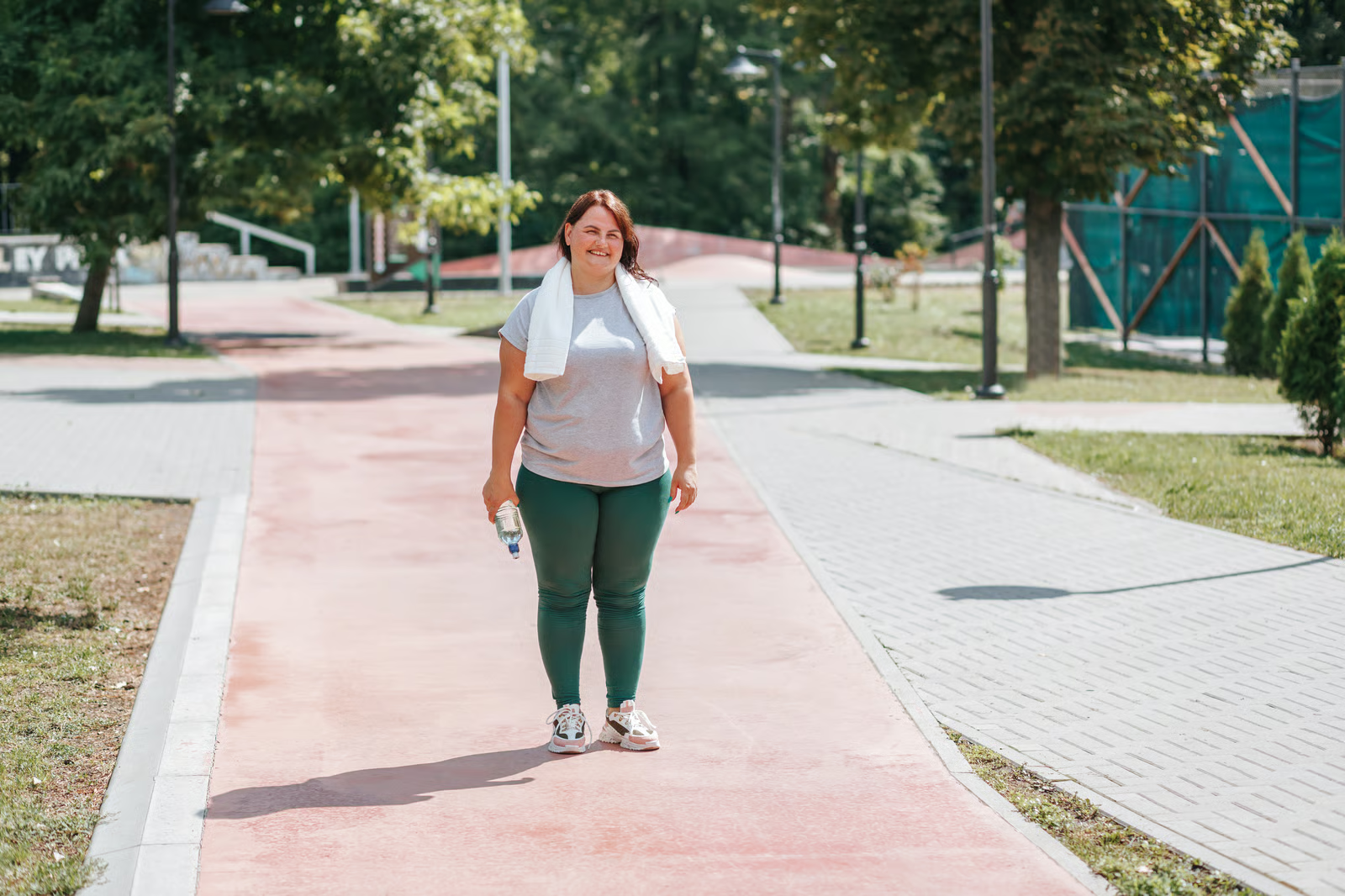
You do not need to wait for the “perfect moment” to begin walking more. WAT about now?
Research increasingly shows that walking can significantly improve mental health, stress regulation, sleep quality and emotional resilience. Even relatively small increases in physical activity can produce meaningful effects over time. The goal is not athletic performance: It is to progressively reintroduce movement into everyday life in a sustainable and realistic way.

PROTOCOL
Walking intensity
Exercise intensity is usually measured by energy expenditure. “Moderate” physical activity corresponds to activities requiring approximately three to six times the energy used at rest. At a normal pace, walking naturally falls within this range. Walking therefore represents one of the simplest and most accessible forms of moderate exercise.
A cadence of approximately 100 to 120 steps per minute generally corresponds to moderate-intensity walking. This pace is often sufficient to stimulate beneficial effects on stress regulation, mood, cardiovascular function, inflammation, and nervous system balance. Importantly, this pace does not require athletic ability. It simply corresponds to purposeful walking.

A simple measurable target
< 5,000
Below approximately 5,000 steps per day, sedentary-related health risks increase significantly.
≈ 7,000
Around 7,000 daily steps appears to be a realistic and beneficial target for both physical and mental health.
The objective is not perfection. The objective is consistency more than intensity.

Recommended walking strategy
The recommended protocol is simple:
- maintain approximately 7,000 steps per day,
- over a period of 8 to 12 weeks,
- while monitoring activity regularly using a pedometer, smartwatch or smartphone tracker.
Studies suggest that the most significant improvements in anxiety, mood and stress regulation generally emerge progressively over several weeks of regular practice. However, many people report benefits much earlier.


Institutional references
Physical activity is now recommended by numerous major health institutions for depression and anxiety management, including: the World Health Organization (WHO), the American Psychiatric Association, Harvard Medical School, Mayo Clinic, NICE (United Kingdom), and several European health authorities.













For mild to moderate depression, some guidelines recommend moderate exercise sessions approximately three times per week over 10 to 14 weeks. Walking is one of the easiest ways to apply these recommendations in daily life.


Contra-Indications
Walking is safe for most people. However, certain situations require medical supervision or caution.
Main contra-indications : recent heart attack, uncontrolled angina, acute cardiac decompensation, severe respiratory distress.
Relative contra-indications : Medical advice may also be necessary in cases such as: severe uncontrolled hypertension, untreated major cardiac rhythm disorders, serious orthopedic or neuromuscular limitations, recurrent exercise-related fainting.
When in doubt, seek professional medical guidance before beginning a structured programme.
Practical Tips
The most effective strategy is often not to “find time” for exercise, but to redesign daily life around more movement. Here are simple ways to increase walking naturally.
1. Walk while talking on the phone
Avoid sitting while taking calls. Walk around your home, office or outdoors during conversations. Small movements accumulated throughout the day matter.
2. Prefer stairs whenever possible
Choose stairs over escalators and elevators when practical. Vertical movement increases physical effort naturally and contributes meaningfully to daily activity levels.
3. Park further away
Stop trying to park as close as possible to your destination. A few additional minutes of walking can become a simple daily habit with significant long-term benefits.
4. Walk during public transport
If you take buses, trains or metros: walk while waiting, get off one stop earlier, use station corridors actively instead of remaining seated.
5. Turn meetings into walking meetings
Short discussions with colleagues, friends or family can often happen while walking. Side-by-side movement frequently creates calmer, more natural conversations.
6. Break prolonged sitting
Do not remain seated for hours continuously. Stand up regularly and do short “50-step breaks.” Even brief interruptions of inactivity appear beneficial for both body and mind.
7. Create movement inside your home
If weather, fatigue or circumstances limit outdoor walking: walk around your apartment, use stairs, create short indoor circuits, pace while thinking or listening to music. Movement still counts.
8. Walk early in the day
Many people find mornings psychologically difficult during periods of anxiety or depression. Starting the day with movement can create immediate biological and emotional momentum. Even 100 to 500 steps shortly after waking up can help activate the body and nervous system.
9. Keep your environment slightly inconvenient
Modern environments constantly reduce movement. You can intentionally reverse this: place the TV remote further away, make multiple trips instead of carrying everything at once, walk while waiting, choose movement over convenience whenever possible.
Not convinced? Want to know more? Check out our resources
WAT is where walking becomes better thinking. Why wait?
Join the movement!
Get stories, walks, and insights from the WAT community delivered to your inbox.