Themes and Prompts: Walking as a space for inner exploration.
English
At WAT, walking is not only physical movement. It is also a way of engaging imagination, reflection and meaning-making.
During many group walks, participants are invited to explore a symbolic theme woven throughout the experience. Landscapes, metaphors, guided reflections and conversations are used to gently activate the brain’s imaginal processes — the same systems involved in memory, emotional integration and emotional regulation.
This matters because difficult emotions are often easier to approach indirectly. Sometimes, speaking directly about anxiety, grief, uncertainty or exhaustion can feel overwhelming or abstract. But when people engage with images, stories or symbols, they often access emotions more safely and naturally. Symbolic reflection creates distance while still allowing depth.
Walking itself seems to reinforce this process. Movement regulates the nervous system, reduces conversational pressure and creates a more fluid mental state.
At WAT, themes are therefore not “lectures.” They are invitations. Invitations to observe, project, associate, reflect and connect — with oneself, with others and with the surrounding world.
Here are a few examples.
THE OCEAN: WAVES AND DEEP WATER
One common theme explores the image of the ocean. Participants are invited to reflect on the difference between: the constantly changing surface of the sea, and the deeper layers below, which remain calmer and more stable.
The metaphor invites participants to ask:
- What are the “waves” currently moving through my life?
- What remains stable underneath?
- Where do I anchor myself when emotions become intense?
In paired discussions, participants often naturally shift from abstract reflection toward more personal sharing about professional instability, the search for inner stability etc.
The ocean metaphor allows these topics to emerge gently, without emotional pressure.
TREES AND ROOTS
Another frequently used theme involves trees and their roots.
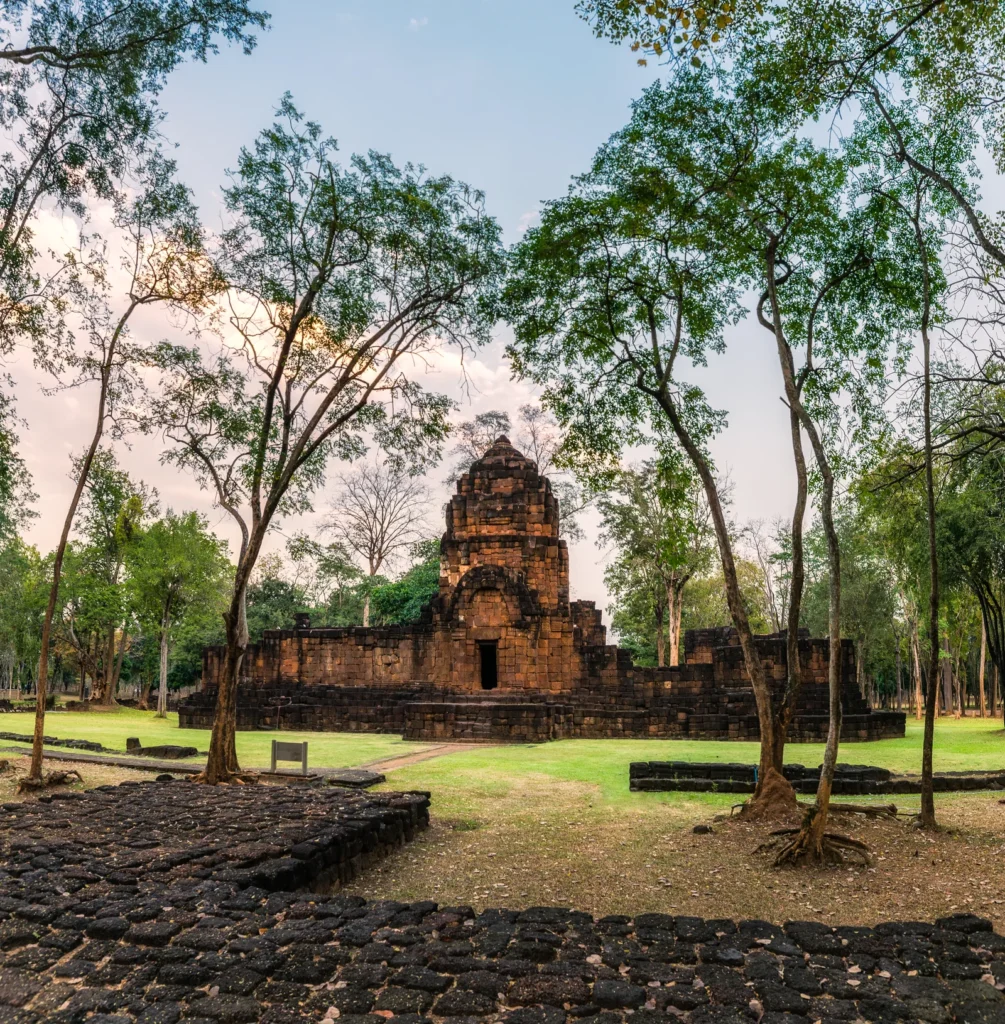
As participants walk through forests, parks or natural landscapes, they are invited to observe visible strength above the ground, and invisible support systems below it.
Guided reflections may explore questions such as:
- What are my roots?
- What nourishes me?
- What gives me stability during difficult periods?
- Which relationships, values or places help me remain grounded?
Participants may also reflect on the fact that strong trees still move with the wind. Resilience is not rigidity. It is flexibility combined with grounding.
During one-on-one conversations, these reflections often lead naturally toward discussions about family history, identity, the tension between stability and change etc.
Again, the symbolic framework creates emotional safety while still allowing authenticity.
PATHS, CROSSROADS AND DIRECTION
Walking itself naturally evokes the symbolism of paths and journeys.
Certain walks invite participants to reflect on crossroads, transitions, changing directions.
At specific moments, facilitators may propose short pauses or prompts:
- What path am I currently walking?
- What am I moving away from?
- What am I moving toward?
The physical act of moving forward often helps participants experience these reflections more concretely than in a traditional seated conversation.
WHY SYMBOLIC THEMES MATTER
Modern life often leaves little space for reflection. Conversations tend to become functional, fast and surface-level. At the same time, many people struggle to articulate complex emotional experiences directly.
Themes, metaphors and guided imagery help reopen that space. They allow participants to think emotionally without feeling exposed, and to explore important subjects indirectly yet meaningfully.
Combined with walking, nature, rhythm and human presence, these symbolic prompts can create moments that feel both simple and unexpectedly profound.
At WAT, we believe that sometimes people do not need more information. Sometimes they need movement, images, silence, metaphors, and the right question asked at the right moment along the path.